Caleb’s field notes
Field care.
Choose your bird for Caleb’s packing list and wrapping instructions. Then see how to get it home and keep it in good shape until drop-off.
01 / Field checklist
Wild turkey
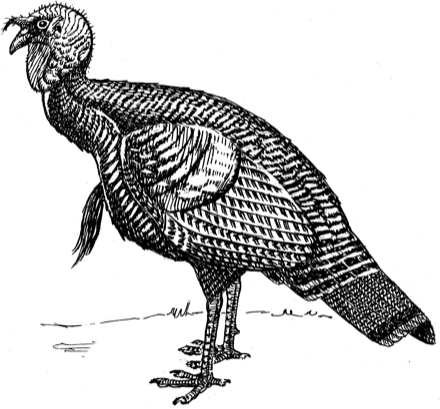
What to pack
- Paper towels
- Quart-size zip-top bag
- Zip tie or electrical tape
Wrap the head
Wrap the head in paper towels, then slip the quart-size bag over it.
Secure the bag
Use a zip tie or electrical tape to hold the bag in place.
Protect the fan and wings
Handle the whole bird gently. Keep the fan and wing feathers from creasing or breaking.
02 / Field checklist
Duck
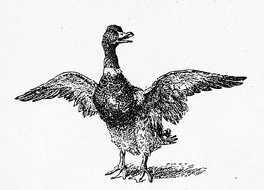
What to pack
- Three damp paper towels
- Zip-top bag for the whole bird
Wrap the head and feet
Use three damp paper towels. Wrap the whole head with one and each foot with its own.
Lay the head back and bag it
Lay the wrapped head on the duck’s back. Once the duck’s cool, slide it into the bag.
Keep the feathers straight
Take care around the wings and tail as you bag and carry the duck so the feathers don’t bend or break.
From the field to the truck
Keep it cool. Give it room.
Once you’ve picked a bird for a mount, the priorities are keeping it whole, cooling it promptly, and protecting the feathers on the ride home.
Leave the bird whole.
For a full mount, leave the bird ungutted and keep the breast meat in place. Let the taxidermist do the cutting.
Cool it before you bag it.
Move the bird out of direct sun and into a cooler as soon as you can. Keep it clear of loose ice and meltwater. Sealing a warm bird in plastic traps heat.
Keep gear off the wings and tail.
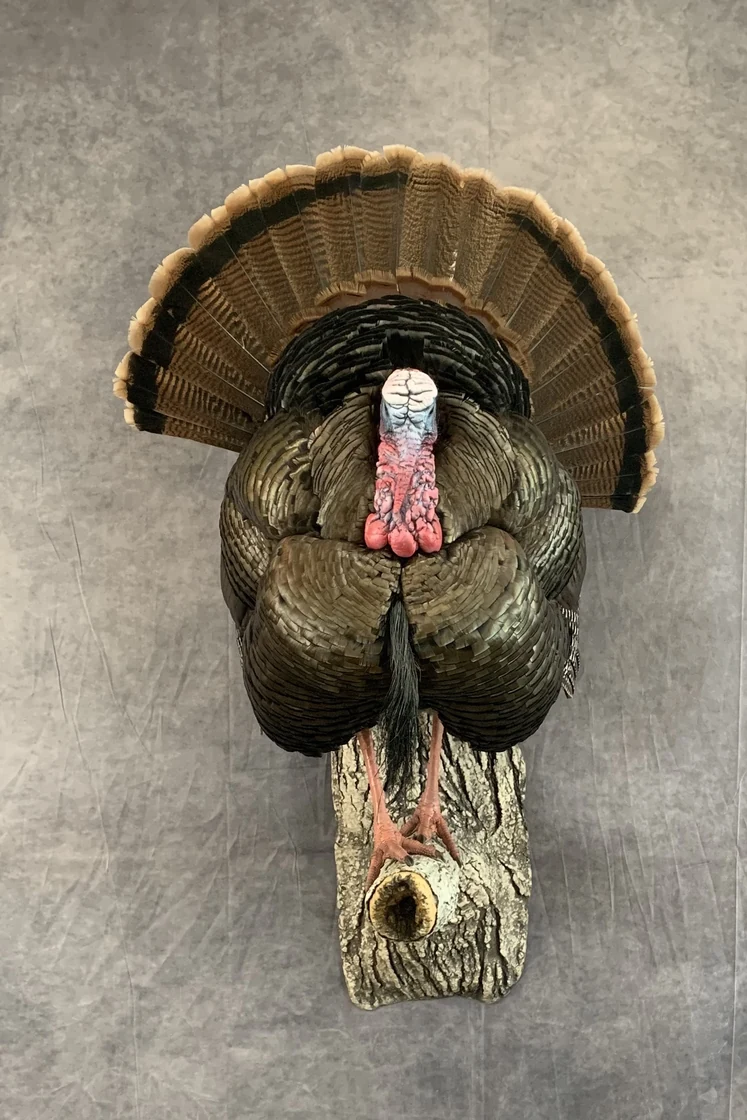
Set the bird where bags and other gear won’t shift onto it. For a turkey, flat pieces of cardboard can shield the fan without bending it.
More field tips from McKenzie Taxidermy Supply and CreekBed Taxidermy.
If drop-off has to wait
Pack it for the freezer.
Use a bag that fits the whole cooled bird with the feathers lying naturally. Air left in the bag can contribute to freezer burn, so take a moment to seal it well.
- Ease the bird into the bag without folding the tips of the wings or tail.
- Gently press out the extra air without squeezing the bird. Seal the bag and add a second sealed layer.
- Freeze it promptly in a spot where nothing will press against the feathers.
More storage tips from Fowl Weather Taxidermy and Banded Taxidermy.
Common field questions
Before you hand it over.
What to do with loose feathers, what to look for on a duck, and what to bring to drop-off.
- Feather damageWhat if a feather comes out?
- Save loose wing or tail feathers and bring them with the bird. If you see broken shafts or a bare patch, send Caleb a clear photo so he can assess the damage. CreekBed field care
- Duck plumageWhat are pinfeathers?
- They’re new feathers still inside a thin sheath. When you’re looking at a duck for a mount, check whether its plumage has filled in and tell Caleb if you see a lot of pinfeathers. Cornell Lab glossary
- Freezer packingCan I wrap the bird in newspaper?
- Use a sealed plastic freezer bag around the whole bird. Newspaper can draw moisture from the skin and doesn’t seal out freezer air. Fowl Weather field care
- Duck drop-offWhat goes on the duck tag?
- Before leaving a duck with a taxidermist, tag it with your signature and address, the harvest date, and the number of birds by species. U.S. Fish & Wildlife Service tagging guidance
Drop-off in Peculiar, Missouri
Arrange your drop-off.
Text Caleb the species and a photo if you’ve got one. If you can’t drop it off right away, ask him how he’d like you to store it.